What is Arthroscopic Bankart Repair?
Arthroscopic Bankart Repair is a minimally invasive surgery for shoulder dislocation. Doctors use this procedure to fix a Bankart lesion, which is a tear in the cartilage of the shoulder joint. During the surgery, small tools and a camera help the surgeon repair the damaged tissue. Because the cuts are small, healing is often faster than with open surgery. Many people choose this option for shoulder dislocation surgery because it causes less pain and leaves smaller scars.
Who Needs Arthroscopic Bankart Repair?
Not everyone with a shoulder injury needs this surgery. However, some people benefit more than others. You may need Arthroscopic Bankart Repair if:
For many, this surgery helps restore shoulder strength and stability. In addition, it can lower the risk of future injuries.
Symptoms and Causes of Bankart Lesions
A Bankart lesion happens when the shoulder joint is forced out of place. This injury often occurs during sports or falls. Common symptoms include:
Because the shoulder is the most mobile joint in the body, it is more likely to dislocate. Young athletes are at higher risk, but anyone can get a Bankart lesion after a fall or accident.
Diagnosis: How Bankart Lesions Are Identified
Doctors use several steps to diagnose a Bankart lesion. First, they ask about your symptoms and how the injury happened. Next, they examine your shoulder for pain, swelling, or looseness. Often, imaging tests help confirm the diagnosis. These may include:
With these tools, doctors can decide if arthroscopic shoulder stabilization is the best treatment for you.
The Arthroscopic Bankart Repair Procedure
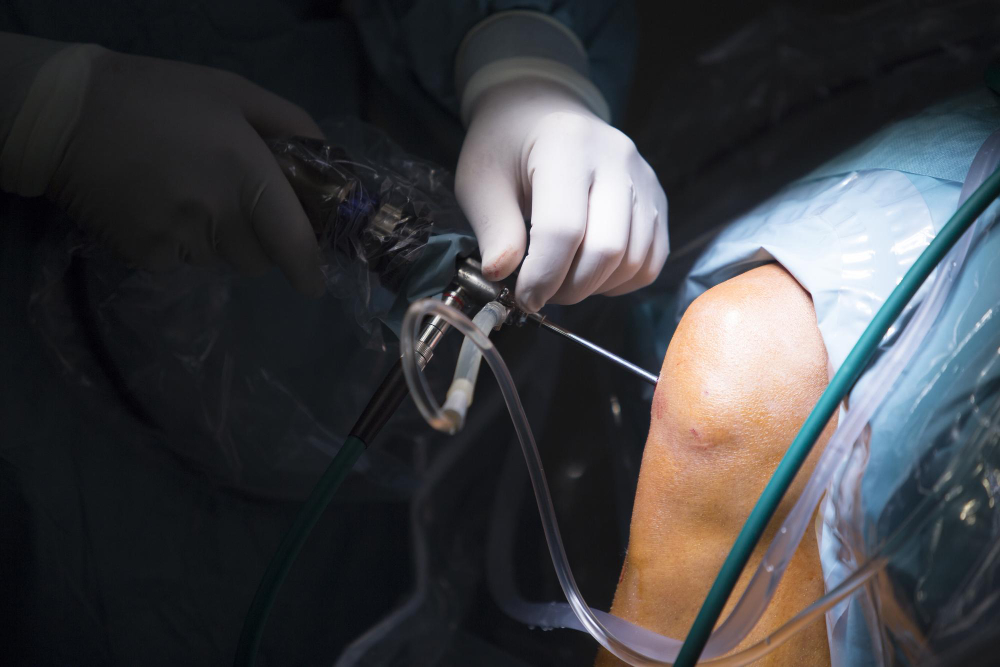
During Arthroscopic Bankart Repair, the surgeon makes small cuts around the shoulder. Then, a tiny camera called an arthroscope goes into the joint. This camera shows the inside of your shoulder on a screen. The surgeon uses special tools to fix the torn cartilage and reattach it to the bone. Small anchors and stitches hold the tissue in place. Because the surgery is minimally invasive, most people go home the same day.
Here is a simple step-by-step overview:
After surgery, your arm is placed in a sling to protect the repair.
Recovery Timeline and What to Expect
Recovery from Arthroscopic Bankart Repair takes time, but most people return to normal activities. Here is what you can expect:
Because every person heals differently, your timeline may vary. However, following your care plan helps ensure the best results.
Risks and Potential Complications
Like any surgery, Arthroscopic Bankart Repair has some risks. Although problems are rare, it is important to know what to watch for. Possible risks include:
If you notice redness, swelling, fever, or severe pain, contact your doctor right away. Early treatment helps prevent serious problems.
Tips for a Smooth Recovery
To heal well after minimally invasive shoulder repair, follow these tips:
Because recovery is a team effort, stay in touch with your care team. They can answer questions and help you stay on track.
Prevention of Future Shoulder Injuries
After Bankart lesion treatment, you can lower your risk of new injuries. Here are some helpful steps:
Because strong muscles protect your shoulder, regular exercise is important. Ask your doctor or therapist for safe exercises.
When to Consult an Orthopedic Surgeon
If your shoulder keeps dislocating or feels unstable, do not wait. You should see an orthopedic specialist if:
Early treatment can prevent more damage and help you heal faster. Therefore, do not hesitate to ask for help.
Consult Dr. Sukesh Reddy, an orthopedic specialist, for personalized advice on arthroscopic Bankart repair.