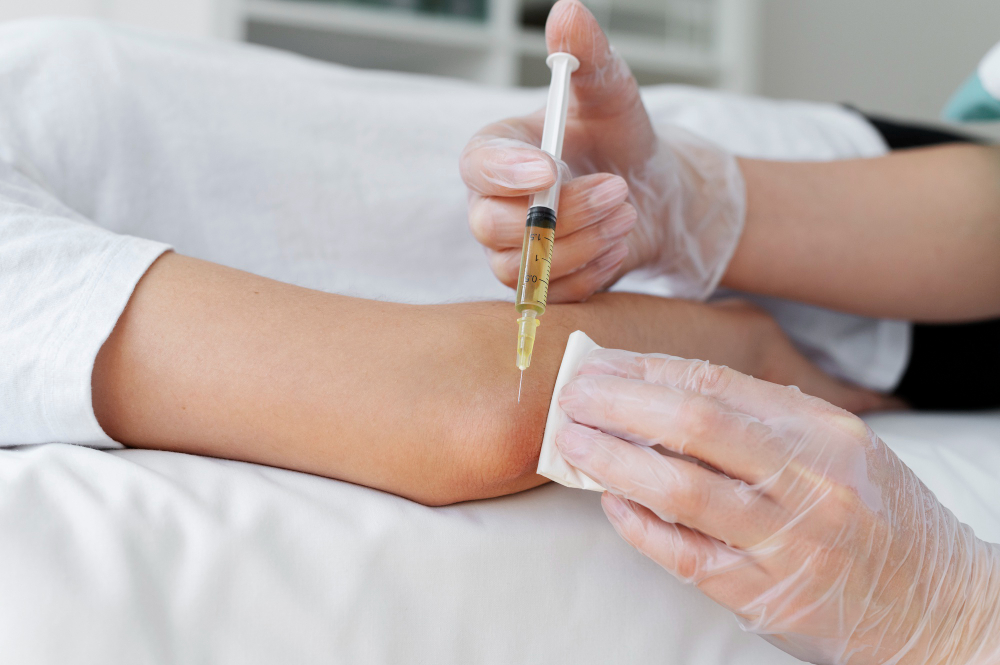
Platelet-Rich Plasma (PRP) is gaining attention in orthopedic care. Many people ask about PRP in orthopedic care for joint pain and injury recovery. This therapy uses your own blood to help heal muscles, tendons, and joints. In this blog, you will learn what PRP is, how it works, and what to expect from the procedure.
What is PRP?
PRP stands for Platelet-Rich Plasma. It is a part of your blood that has more platelets than usual. Platelets are tiny cells that help your body heal. Doctors take a small amount of your blood and spin it in a machine. This process separates the platelets from other blood parts. The result is a rich mix of platelets that can help repair tissues.
How Does PRP Work in Orthopedic Care?
PRP therapy in orthopedics uses your own platelets to speed up healing. When injected into an injured area, PRP releases growth factors. These growth factors help your body repair tissue faster. For example, PRP injection for joint pain can reduce swelling and improve movement. Many doctors use PRP for knee, shoulder, and tendon injuries.
Common Orthopedic Conditions Treated with PRP
Doctors use platelet-rich plasma therapy in orthopedics for many conditions. Some of the most common include:
In addition, PRP can help with slow-healing wounds or after some surgeries. However, not every injury is right for PRP. Always talk to your doctor first.
PRP Procedure: Step-by-Step Guide
The PRP procedure is simple and safe. Here is what you can expect:
The whole process usually takes less than an hour. Most people go home the same day.
Benefits and Effectiveness of PRP
Many people choose PRP because it uses their own blood. This lowers the risk of side effects. Some key benefits include:
Research from trusted sources like the American Academy of Orthopaedic Surgeons shows PRP can help with joint pain and tendon injuries. However, results may vary. Not everyone will feel the same level of relief.
Risks and Considerations
PRP therapy is generally safe. Since it uses your own blood, allergic reactions are rare. Still, there are some risks:
Before starting PRP, tell your doctor about any health problems or medicines you take. Some people, such as those with blood disorders, may not be good candidates for PRP.
Recovery and Aftercare Tips
After PRP treatment, you may feel mild pain or swelling. This is normal and usually goes away in a few days. To help your recovery:
Most people return to normal activities within a week. However, full healing may take several weeks. Always ask your doctor about your specific PRP treatment recovery plan.
Frequently Asked Questions about PRP in Orthopedics
If you have more questions, talk to your orthopedic specialist. They can help you decide if PRP is right for your needs.
Consult Dr. Sukesh Reddy, an orthopedic specialist, to learn if PRP therapy is right for you.