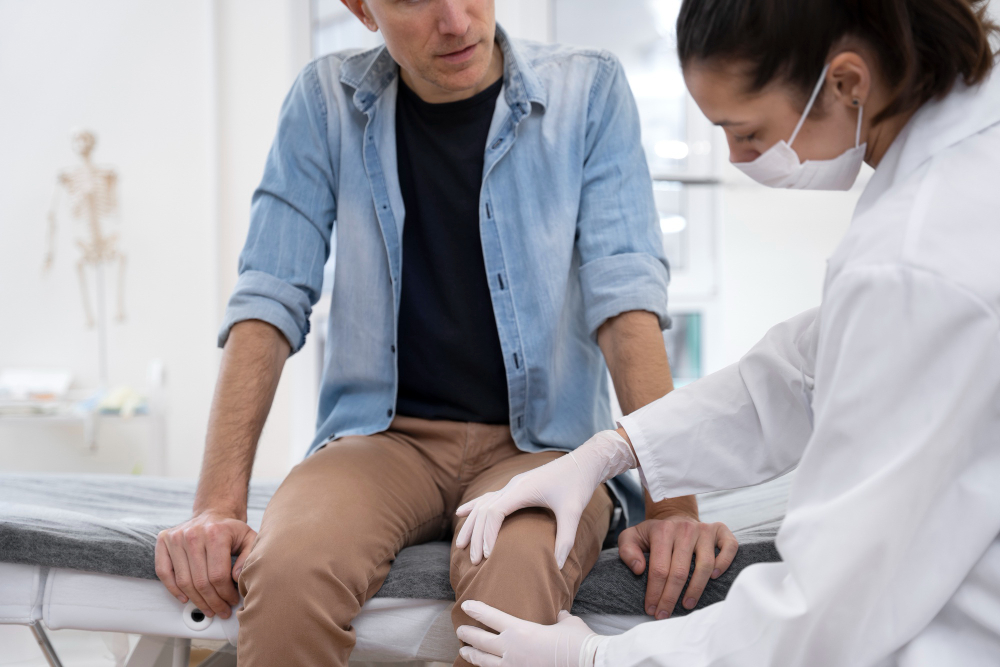
What is Knee Arthroscopy?
Knee arthroscopy is a type of minimally invasive knee surgery. Doctors use a small camera, called an arthroscope, to look inside your knee joint. Because the cuts are small, healing is often faster than with open surgery. Many people choose knee arthroscopy to treat knee pain or injuries. In fact, this procedure is common in many hospitals and clinics.
Common Reasons for Knee Arthroscopy
Doctors may suggest knee arthroscopy for several reasons. Sometimes, knee pain does not improve with rest or medicine. In these cases, surgery may help. Here are some common reasons:
Additionally, knee arthroscopy can help doctors see the inside of the joint clearly. This helps them make the best treatment plan for you.
How the Procedure is Performed
First, your doctor will give you anesthesia to keep you comfortable. Next, they make a few small cuts around your knee. Through one cut, they insert the arthroscope. This tool sends pictures to a screen, so the doctor can see inside your knee. Then, they use tiny tools through other cuts to fix any problems. The whole process usually takes less than an hour. After the surgery, you will rest in a recovery area for a short time.
Benefits of Knee Arthroscopy
Knee arthroscopy offers many advantages over traditional surgery. For example, it uses smaller cuts and causes less damage to healthy tissue. Here are some key benefits:
Because of these benefits, many people prefer knee arthroscopy for treating knee problems.
Risks and Possible Complications
Although knee arthroscopy is generally safe, every surgery has some risks. However, serious problems are rare. Here are some possible risks:
Most people recover well, but it is important to follow your doctor’s advice. If you notice redness, fever, or severe pain, contact your doctor right away.
Recovery and Aftercare Tips
After knee arthroscopy, recovery is usually quick. Still, you need to take care of your knee. Here are some helpful tips:
In addition, gentle exercises may help you regain strength and movement. Your doctor or physical therapist will guide you. Most people return to work or school within a week or two, but full recovery may take several weeks.
Prevention and Lifestyle Guidance
Even though knee arthroscopy can help fix knee problems, it is better to prevent injuries when possible. Here are some ways to protect your knees:
By following these tips, you can lower your risk of knee injuries and keep your joints healthy.
If you have knee pain or think you may need knee arthroscopy, consult Dr. Sukesh Reddy, an orthopedic specialist, for personalized guidance. He can help you decide the best treatment for your needs.