Introduction
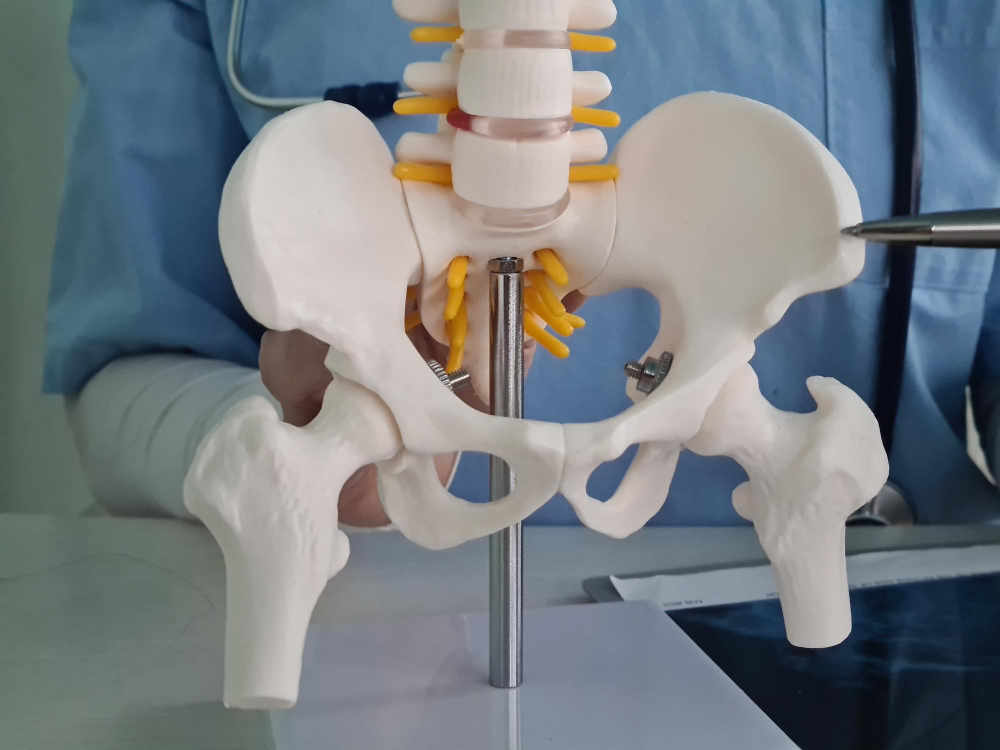
Total hip replacement is a common orthopedic surgery for hip pain. Doctors use it to treat severe hip joint problems. In this procedure, a damaged hip joint is replaced with an artificial one. As a result, many people regain movement and reduce pain. This surgery can greatly improve quality of life. According to the CDC, hip replacement is safe and effective for most patients. If you have hip pain that limits daily life, this surgery may help.
Symptoms and Conditions Leading to Hip Replacement
Many people consider total hip replacement when hip pain becomes severe. Often, pain makes walking or standing hard. Other symptoms include:
For some, hip pain keeps them from enjoying daily activities. If these symptoms last, it may be time to talk to a doctor.
Causes and Risk Factors
Several conditions can damage the hip joint. The most common cause is osteoarthritis. This is a type of arthritis that wears down the joint. Other causes include:
Age, being overweight, and past injuries can also raise your risk. However, not everyone with these risks will need surgery.
Diagnosis and When Surgery Is Recommended
Doctors use several steps to decide if you need total hip replacement. First, they ask about your symptoms and medical history. Next, they examine your hip and may order X-rays or MRI scans. These tests show how much damage is in the joint. Usually, doctors recommend surgery if:
Sometimes, your doctor may suggest waiting or trying other treatments first. But if pain is constant, surgery may be the best option.
The Total Hip Replacement Procedure (Overview)
During total hip replacement surgery, a surgeon removes the damaged parts of your hip joint. Then, they replace them with artificial parts made of metal, plastic, or ceramic. The procedure usually takes one to two hours. Most patients receive anesthesia, so they do not feel pain during surgery. Afterward, you will stay in the hospital for a few days. Doctors and nurses will help you start moving soon after surgery. This helps speed up recovery.
Benefits and Expected Outcomes
Total hip replacement offers many benefits. For example, most people feel less pain and move more easily. Other benefits include:
According to the World Health Organization, most patients are satisfied with their results. However, as with any surgery, there are some risks. Your doctor will discuss these with you before the procedure.
Recovery Process and Rehabilitation Tips
Recovery after total hip replacement takes time. However, most people return to normal activities within three to six months. Here are some tips for a smooth recovery:
Gradually, you will be able to walk and move more easily. If you have any concerns, always contact your healthcare team.
Prevention and Lifestyle Guidance for Joint Health
While not all hip problems can be prevented, some steps can help protect your joints. For instance, you can:
These habits can lower your risk of joint problems and help you stay mobile longer.
Frequently Asked Questions
Consult Dr. Sukesh Reddy for personalized advice on total hip replacement.